 Driftwood Defense
Termite control expertise across University Place, WA
University Place presents a unique set of termite pressures that national pest control chains often miss. The combination of sandy loam soils, heavy November through March rainfall, and extensive Douglas fir framing creates exactly the environment dampwood and subterranean termites seek. Homes along Grandview Drive and near the Chambers Bay Golf Course sit on moderate slopes where runoff flows toward foundations — delivering the consistent moisture that invites colony expansion. Add in University Place's canopy of mature evergreens and the prevalence of bark mulch in our well-manicured yards, and you have a near-perfect termite habitat.
We also see distinct patterns depending on your neighborhood's age. Older homes in the Cirque and Bridgeport areas often carry decades of hidden moisture damage in sill plates and rim joists, while newer construction in Stonegate and Day Island can experience termite pressure when builders disturb existing soil colonies. Our technicians know to inspect the cedar siding so popular across UP homes, and we recognize the early warning signs in our local architecture — from swollen window frames in wet-facing walls to the faint hollow sound board in garages. For University Place families, that localized knowledge translates into faster detection, more effective treatment, and long-term peace of mind beneath the towering firs.
In University Place, where lush landscaping meets the damp marine air off Puget Sound, homes face a persistent threat from wood-destroying termites. The Pacific dampwood termite thrives in our cool, moist climate — especially in neighborhoods from Chambers Creek to Day Island where irrigation keeps soil consistently damp. If left unchecked, these silent invaders can compromise the structural integrity of your home before you ever see a mud tube.
Our team specializes in termite control designed specifically for University Place properties. We understand how our local microclimate, abundant cedar shake roofs, and proximity to greenbelts create ideal conditions for infestation. Whether you're in a mid-century rambler near Curtis High or a newer build in the Green Firs area, we deliver targeted solutions that protect your biggest investment.
One call is all it takes to start.
Why University Place homeowners choose our termite control
Climate-specific treatment plans
We target Pacific dampwood and subterranean termites that thrive in University Place's Puget Sound humidity and wet winter conditions.
Non-disruptive detection
Our thermal imaging and acoustic sensors find termites inside walls without tearing into your University Place home's interior finishes.
Soil and structure protection
We create continuous chemical or bait barriers in the earth around your foundation — critical in University Place where rainfall keeps soil active year-round.
Moisture issue identification
We pinpoint drainage problems, wood-to-soil contact, and crawlspace condensation that invite termite activity near Chambers Bay and the golf course.
Recurring colony prevention
Annual monitoring plans backed by local guarantees mean you're protected against the next swarm season before it begins in our mild spring climate.
How our University Place termite treatment process works
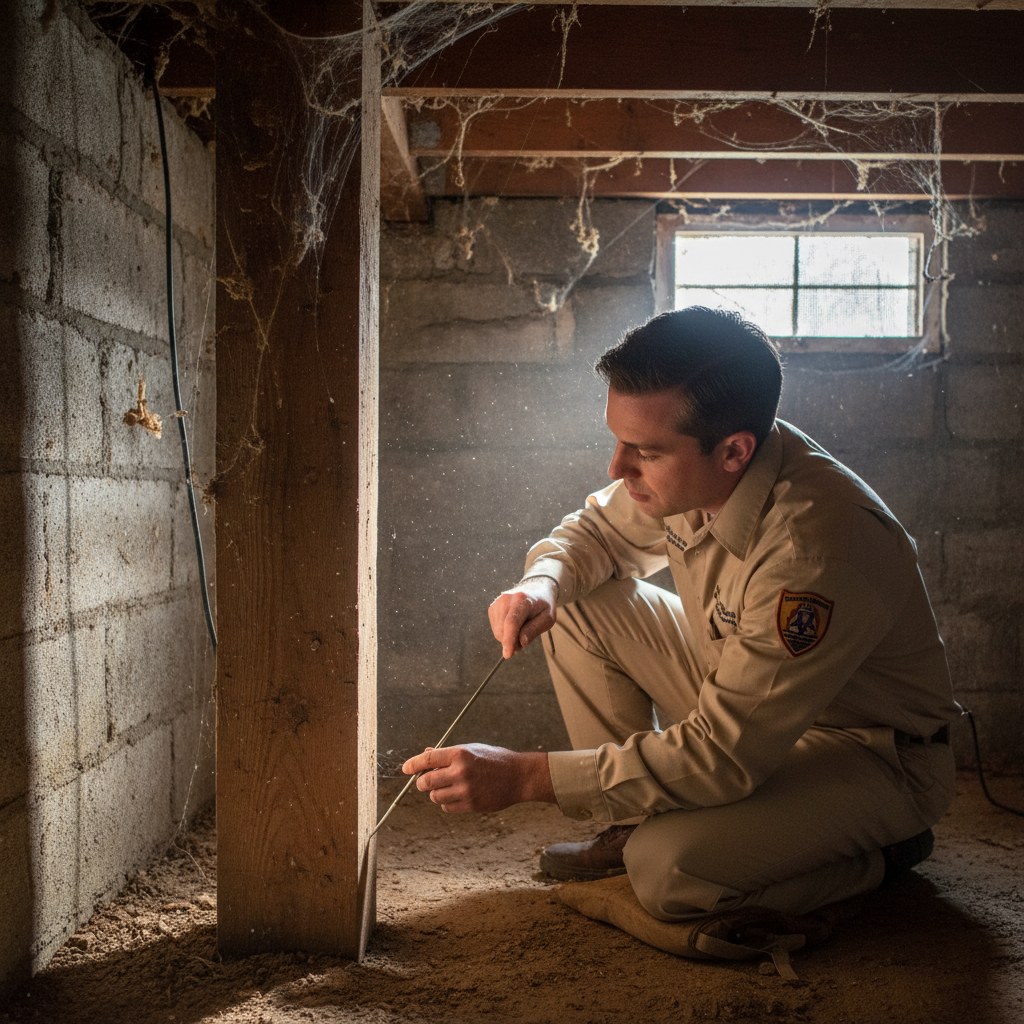
- Thorough local inspection We examine foundation walls, crawlspaces, and exterior wood in your University Place home — paying special attention to moisture-prone zones near irrigation, mature landscaping, or sloped terrain.
- Custom treatment recommendation Based on species, colony size, and your property's layout, we propose liquid termiticides, bait stations, or a hybrid approach precisely suited to University Place soil conditions and building styles.
- Precision application Our technicians apply treatments with minimal disruption — drilling and sealing only where necessary, protecting your family and the surrounding University Place landscape, including gardens and lawns.
- Follow-up assessment Weeks after initial application, we return to verify colony elimination and check University Place-specific risk factors like downspout drainage and wood pile proximity.