 Driftwood Defense
Service
Boxelder Bug Control
A warm western wall covered in slow-crawling black-and-red insects isn't exactly the welcome mat you had in mind. Boxelder bugs are masters of the mass sunbathing session, and once they've mapped the sunny side of your home, getting them to leave takes more than a strong spray of the hose. They're not destructive—they won't eat your framing or ruin the garden—but their sheer numbers and stubborn habit of wandering indoors make them a seasonal headache you don't have to just put up with.
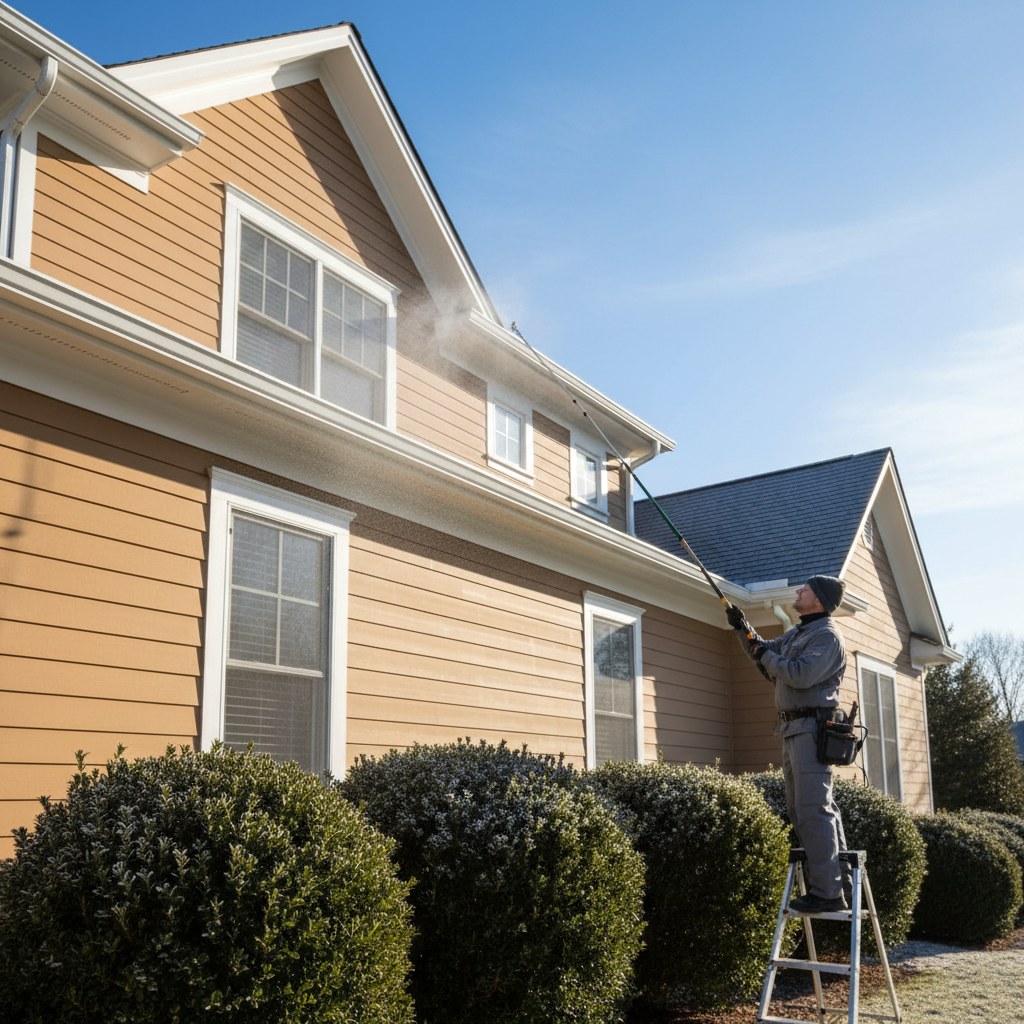
Our approach flips the script on typical pest control. Instead of chasing them after they've marched inside, we focus on the outside perimeter and entry points *before* the autumn push begins. It's thoughtful, tenacious work that treats your home like a system, not a problem—giving you back your sunlit siding, window tracks, and peace of mind without flooding the property with residuals that don't belong here.
One call is all it takes to start.
What Boxelder Bug Treatment Actually Involves
We target the exterior shell of your home—soffits, fascia, south- and west-facing siding, door thresholds, window frames, and any gap wider than a credit card. A micro-fine application, often botanical-based, creates a quiet barrier that interrupts their roosting and congregation patterns. This isn't a broadcast fog; it's a directed, low-impact treatment paused whenever flowering plants or pollinator activity are nearby.
Inside, if wanderers have already started appearing, we rely on exclusion and physical removal, not chemical carpet-bombing. We vacuum congregating clusters with sealed HEPA units, flush wall voids where needed using compressed air or desiccant dusts, and seal accessible cracks and crevices with elastomeric caulk or copper mesh. The goal is to make your home illegible to boxelder bugs—no appealing scent trails, no easy entries—so they move along to actual boxelder trees and windbreaks where they belong.
Why This Approach Sticks
Stops Them Before Fall
Late-summer perimeter work intercepts congregations while they're still scouting, not after the invasion hits.
Low-Odor, Family-Safe Chemistry
Botanical and desiccant-first treatments keep indoor air clean while still breaking the insect's lifecycle.
Pollinator-Conscious Application
We pause or redirect applications near blooms and native plantings so beneficials keep working.
Long-Range Exclusion
Sealing and screening turn your home's shell into a true barrier that works beyond one season.
No-Panic Indoor Protocol
If they're already inside, we show up calm, vacuum-curious bugs, and solve the entry, not just the symptom.
How a Boxelder Treatment Takes Shape
- Sun-side inspection We walk every elevation, focusing on south and west exposures, mapping congregation zones, entry cracks, and nearby host trees.
- Perimeter defense application A low-volume liquid barrier goes onto eaves, soffits, siding, and foundation edges where bugs cluster and trail.
- Exclusion detailing We physically seal weep holes, utility gaps, and cracks with appropriate materials that move with the home's seasonal breathing.
- Interior reset Live indoor bugs are HEPA-vacuumed; wall void activity is managed with targeted desiccants, not broadcast sprays.
- Seasonal timing plan We map out the right window for a booster visit next year so you're never caught mid-swarm again.
Who Needs Boxelder Bug Service
If your home gets morning-to-afternoon sun and you've ever found clusters of black-and-red bugs lounging like they own the place, this is for you. We help families in split-levels, two-story colonials, ramblers, and even apartments with south-facing balconies where boxelder bugs seem to materialize every September. Our typical client is less worried about property damage (these bugs rarely cause any) and more interested in mental peace: not fishing bugs out of the curtains, not having them ping into lampshades during dinner, and not dreading the moment the first cold night sends hundreds crawling down the chimney chase.
You'll also want this if you've tried the DIY loop—over-the-counter aerosol, hose-end spray, bashing them with a shoe—and realized the bugs simply reroute. Some properties sit near female boxelder or maple trees and seem to attract repeat congregations even after removal. That's an ecology puzzle we love to solve: transforming the home from a sun-magnet roost into a place they just pass by.
Before You Call
Are boxelder bugs dangerous or destructive?
No—and that's worth saying clearly. They don't bite, sting, reproduce indoors, or chew through framing, drywall, or stored food. They can leave faint reddish-orange droppings on light-colored siding, curtains, or windowsills, and in very large numbers their sheer presence becomes a genuine nuisance. Our approach treats them as a quality-of-life and exclusion concern, not a structural threat.
Why do they keep picking my house every fall?
Usually three things: southern or western exposure that holds warmth well into evening, protected crevices like overlapping siding or deep window trim, and—less often but significantly—a female boxelder, maple, or ash tree within a couple hundred feet. They follow heat gradients and scent markers left by previous congregations. Breaking that memory involves making surfaces inhospitable and entries unavailable, which resets the attraction year after year.
Can you treat without harming pollinators or my garden?
Absolutely. We use application methods—pin-stream application, crack-and-crevice injection, and intentional pause zones—that keep product on the building envelope, not drifting onto blooms. When pollinator-attractive plants are in flower nearby, we adjust timing or isolate the treatment area. This is standard for our team, not an optional add-on.
How many visits will it take to get rid of them?
Most households see dramatic reduction after one thorough exterior perimeter service matched to the start of congregation season—typically late summer into early autumn. A short follow-up two to three weeks later addresses any high-pressure spots that emerged. From there, once-a-year early intervention usually keeps things quiet, though homes with heavy neighboring populations may appreciate a mid-summer check. We'll map out a cadence that matches your exposure level, not a one-size-fits-all subscription.