 Driftwood Defense
Service
Tick Control
A tick isn’t just a nuisance; it’s a tiny hitchhiker waiting in damp underbrush, ready to turn a peaceful backyard into a health concern. We believe you shouldn’t have to choose between enjoying the lush, layered landscape of the Pacific Northwest and keeping your family safe.
Our tick control service is built on a deep understanding of the local species—specifically the western black-legged tick—and the exact cool, shaded microclimates they love. The result is a highly strategic outdoor protection plan that silences the worry without ever silencing the natural hum of your property.
One call is all it takes to start.
What Our Tick Control Involves
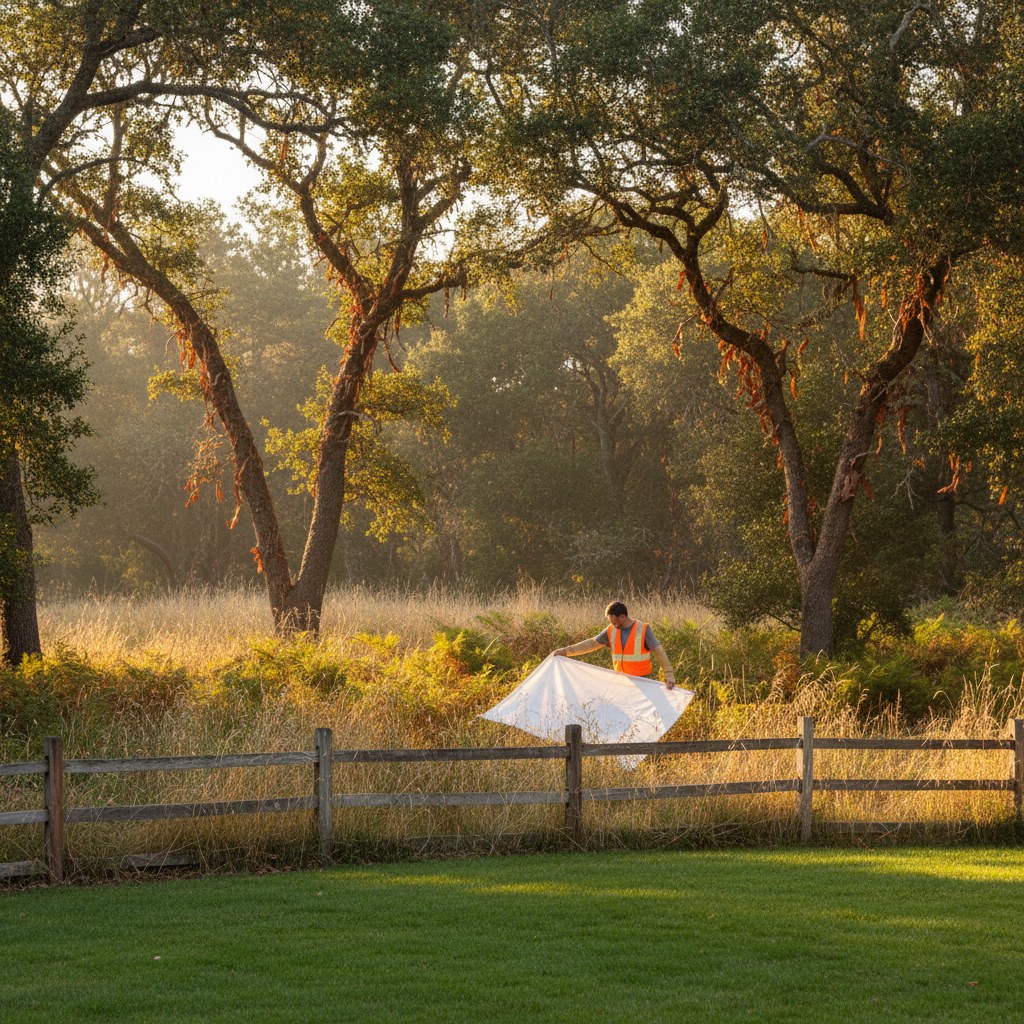
We start by identifying the high-risk zones, focusing on the transition areas where your tended lawn meets the wild undergrowth—that’s the tick highway. Instead of blanketing every square inch, we apply a highly targeted barrier treatment to the leaf litter, tall grasses, and shaded perimeter shrubs where ticks actually quest for a host.
The products we use are designed for the specific wet-then-dry climate cycles we experience here. While the treatment immediately begins reducing the active adult and nymph population, it also creates a lasting micro-encapsulated barrier. This means you get durable, season-long control that stays put through cool mornings and dewy grass, significantly lowering the odds of a tick encounter.
Why Tick Control Matters So Much Here
Stop the Biting Cycle
Ticks are notoriously stubborn—our targeted approach breaks their life cycle so your yard isn’t a recurring nursery.
Protect Your People & Pets
We focus on eradicating the species known to carry Lyme disease and other pathogens, making your daily routines safer.
Guard the Native Ecology
Treatments are carefully placed to avoid harming pollinators, aquatic life, and the beneficial insects that keep your garden thriving.
Reclaim Your Sanctuary
No more second-guessing that walk to the hammock—reclaim the hidden corners of your property with total confidence.
Longer-Lasting Outdoor Relief
We don’t just fog and flee. Our seasonal plan creates a residual barrier that reduces tick pressure during peak activity months.
How We Break the Tick Lifecycle
- Identify the harborage We walk your property together, noting areas of dense shade, leaf litter, and unmanaged edges that create ideal tick habitat.
- Build the dry barrier A precise, low-volume treatment is applied exclusively to the underbrush and perimeter zone, avoiding open lawn and flowers.
- Micro-encapsulated control The product bonds to the damp leaf matter where ticks breed, remaining effective as it cures and creating a lethal zone for nymphs.
- Long-term prevention plan We provide simple habitat tips—like proper grass height and woodpile placement—that make your yard far less inviting between visits.
Who Needs Tick Control
This service is for anyone who has spotted a tick on a pet, partner, or pant leg and decided they’re done taking chances. If your property sits against a greenbelt, features native ferns and Oregon grape, or simply has a shady corner where the grass stays a little too damp, you’re in the ideal habitat.
You don’t need an infestation to benefit. Because tick nymphs are nearly invisible, many families only realize the exposure risk after a scare. We work with you proactively—so you can keep exploring the woods out back without bringing uninvited guests home.
Before You Call
Where do ticks actually hide in a typical yard?
Ticks are surprisingly sensitive to desiccation, so they gravitate toward the humid understory—think sword ferns, salal thickets, and the shaded transition zones where manicured lawn meets untamed woods. In this region, western black-legged ticks are the primary concern. They thrive in leaf litter and tall grass, waiting to grab onto a passing host, which is why we focus heavily on the ecotone between your living space and the wilder Pacific Northwest landscape.
Can you treat for ticks without harming native pollinators or waterways?
Absolutely. We’re working in an environment where salmon streams, native bees, and family gardens all intersect. We control risk by staying out of blooming flower beds entirely and avoiding application when rain is imminent. Our products are selected to bond tightly to the leaf litter where ticks quest, rather than floating away, so we protect the wider ecosystem while collapsing the tick population where it lives.
What does a typical year of tick control visits look like?
We recommend a seasonal rhythm: a strong start in early spring as nymphs become active, a mid-summer reinforcement to catch the summer larvae, and sometimes a light perimeter touch-up in the fall. Each visit is a targeted perimeter treatment. You don’t need to be home, but we ask that you keep the kids and pups off the grass until the application dries—usually about an hour, depending on the weather.
How do you actually get rid of ticks permanently?
We combine habitat modification advice with a granular or liquid barrier treatment applied directly to tick harborage zones. You can help the process immensely by keeping grass short and removing leaf piles promptly. We handle the rest by treating the humid, shaded edges where ticks congregate, drastically reducing the chance they’ll ever wander into your sunny, open lawn.