 Driftwood Defense
McChord AFB · WA
Stink Bug Control in McChord AFB, WA
Stink Bug Control Tailored for McChord AFB Quarters
Living at Joint Base Lewis-McChord means experiencing the beautiful, lush greenery of Washington state, but it also means dealing with the persistent home invasion of the brown marmorated stink bug. As autumn temperatures drop across McChord AFB, these pests aggressively seek shelter in the warmest, sunniest exposures of your quarters. They slip past poorly sealed attic vents, crawl space gaps, and even the smallest crevices in base housing exteriors, turning a quiet afternoon into a malodorous nuisance. Our specialized control plans recognize the specific landscaping and housing designs prevalent on McChord, including the proximity of wooded training areas that act as natural reservoirs.
We provide thorough, pet- and family-safe treatments designed for the unique demands of military life. Whether your housing is situated along the flight line or closer to the golf course, our technicians respect the privacy and security protocols expected on a military installation. We move quickly and efficiently through the inspection phase, pinpointing fissures in siding and screens that are invisible to the untrained eye. By combining targeted exterior applications with strategic interior exclusion work, we don't just remove current inhabitants—we build a shield that intercepts stink bugs before they can breach your sanctuary.
Stink bugs are more than just a nuisance—when disturbed, they release a pungent, cilantro-like odor that can linger in your living spaces for weeks. At Joint Base Lewis-McChord, the transition from warm summers to crisp autumns triggers a mass migration of these shield-shaped insects directly toward your housing. Our specialized stink bug control interrupts this cycle at the source, using integrated pest management techniques that prioritize the safety and comfort of military families and their pets.
We understand that your McChord AFB quarters are both your home and a place of rest after rigorous duty days. Spotting one or two stink bugs might seem minor, but a congregation inside wall voids or attics signals a largeger infestation ready to emerge. Our local technicians know exactly where to look on McChord's housing—from fascia boards to exterior cable penetrations—to eliminate the root cause and prevent a smelly reccurrence.
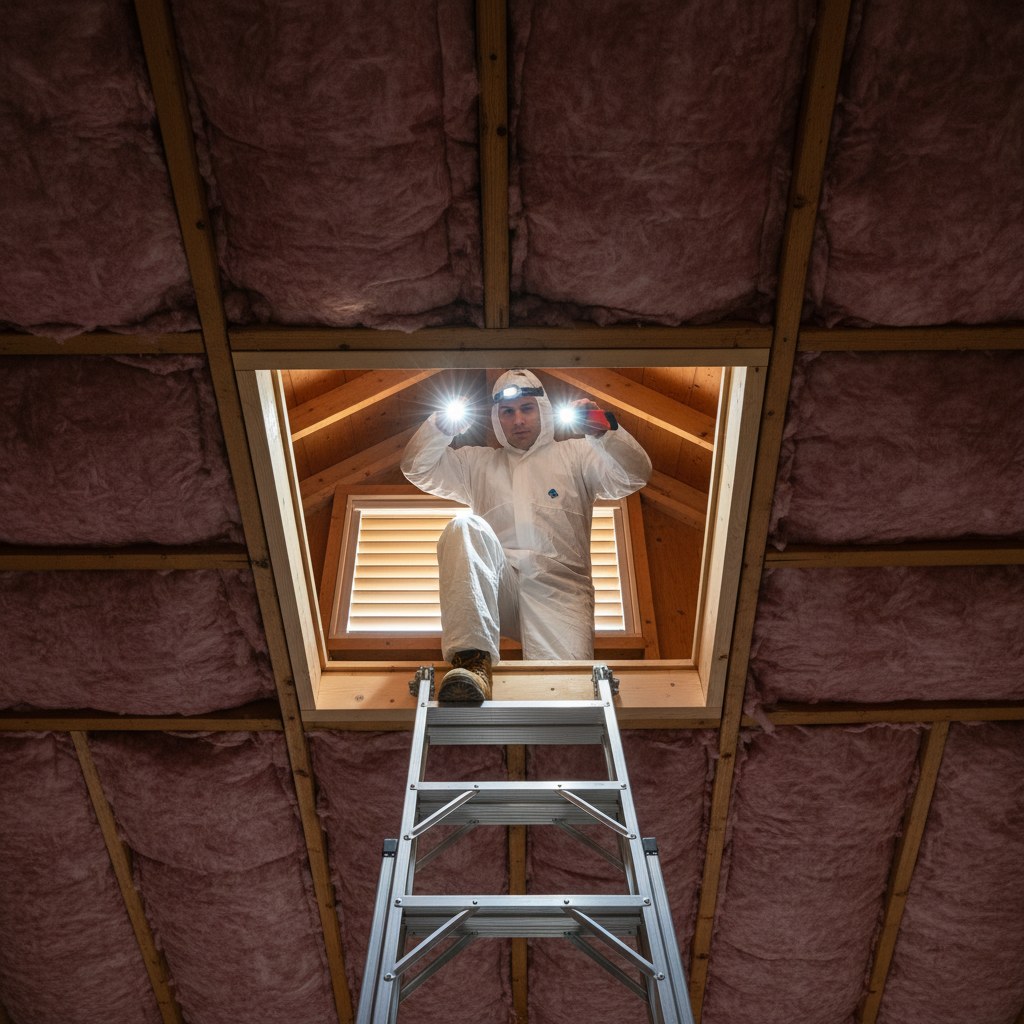
One call is all it takes to start.
Why Choose Professional Stink Bug Removal
Prevent Overwintering Infestations
Stop stink bugs from using your home as a warm shelter during McChord AFB's cold, damp winter months.
Protect Military Housing Integrity
Safeguard your on-base or off-base quarters from the corrosive secretions that can stain walls, curtains, and furniture.
Eliminate Noxious Odors Safely
We use controlled removal methods that avoid crushing bugs and releasing their notorious, pungent defensive scent indoors.
Discreet, Non-Disruptive Service
Our technicians understand the unique cadence of military life, providing quiet, efficient treatments without disrupting your household.
Year-Round Perimeter Defense
Seal entry points like soffits, window frames, and utility pipes that stink bugs exploit on McChord's housing structures.
Locally Adapted Expertise
Receive a treatment plan calibrated for the specific brown marmorated stink bug populations thriving in the Pacific Northwest.
Our Stink Bug Removal Process at McChord
- Detailed Exterior Inspection We inspect the full exterior perimeter of your housing unit, concentrating on southern-facing walls, roof lines, baseboard cracks, and where utility lines enter.
- Primary Barrier Application Our team applys a non-repellent, micro-encapsulated treatment to eaves, soffits, and window frames where stink bugs aggregate.
- Exclusion Point Sealing We physically seal common entry loops using caulk, copper mesh, or weather stripping, denying future access through gaps larger than a dime.
- Live Interior Extraction For any bugs alive inside wall voids, we deploy HEPA-filtered vacuums for immediate, scent-free extraction without crushing them.