 Driftwood Defense
Fort Lewis · WA
Stink Bug Control in Fort Lewis, WA
Specialized Stink Bug Elimination for Fort Lewis Military Families
Fort Lewis is uniquely situated amid dense Pacific Northwest woodlands that serve as prime breeding grounds for the Brown Marmorated Stink Bug. Service members often find these agricultural pests massing on the exterior walls of on-post housing during October, seeking warmth. The critical challenge here is the sheer volume of insects migrating from the adjacent training areas and forested buffers. They exploit the smallest gaps in weather stripping around doors and windows, overwhelming typical hardware store sprays. Our approach focuses on the specific architecture of Fort Lewis homes, establishing a tactical perimeter treatment that intercepts bugs before they can squeeze into wall voids and invade family living spaces.
Additionally, late-season warmth in the Puget Sound region frequently triggers a second wave of activity inside Fort Lewis homes. Stink bugs that entered dormancy can become active within the heated interiors of a residence, clustering around light fixtures and crawling across ceilings. This creates a continuous nuisance cycle that demands a two-phase solution: aggressive exterior exclusion and targeted interior crack-and-crevice treatments. We understand the importance of maintaining a secure, sanitary home environment on base, which is why we prioritize fast, discrete, and pet-safe applications tailored precisely to stop the JBLM stink bug population.
When summer shifts to fall at Joint Base Lewis-McChord, Fort Lewis housing becomes a magnet for the relentless Brown Marmorated Stink Bug. These shield-shaped insects cluster by the hundreds on warm siding, seeking a passage inside to overwinter. Our specialized stink bug control program is designed specifically for the rhythms of military life, offering precise, discreet extermination that keeps your family comfortable and your quarters pest-free without upending your routine.
We don't just spray a generic barrier and hope for the best. Understanding the construction patterns and landscaping specific to Fort Lewis on-post homes is critical. Our technicians target the hidden entry points where soffits meet roofing and where utility lines penetrate exterior walls, delivering a durable, low-odor treatment that adheres to federal grounds maintenance standards. Whether you are in Evergreen Terrace or the New Hillside neighborhoods, we stop the bug march before it enters your living room.
One call is all it takes to start.
Benefits of Professional Stink Bug Control
Defense Against Agricultural Pests
Our targeted treatments protect Fort Lewis gardens and ornamental plants from the piercing mouthparts that cause fruit scarring and leaf distortion.
Winter Invasion Prevention
We create exterior barriers in late summer specifically timed for Washington's climate to stop the mass fall migration into your warm living quarters.
Odor Elimination Strategy
Expert removal prevents the release of their characteristic cilantro-like scent, which can attract more invasive pests like the Brown Marmorated Stink Bug into your home.
Specialized Military Housing Protocols
We navigate Fort Lewis housing regulations with ease, providing compliant, family-safe solutions that respect the unique privacy and scheduling needs of service members.
Detailed Entry Point Sealing
Beyond basic extermination, we physically prevent re-entry by identifying and sealing microscopic cracks in siding, utility conduits, and window frames common in Fort Lewis construction.
Our Fort Lewis Stink Bug Control Process
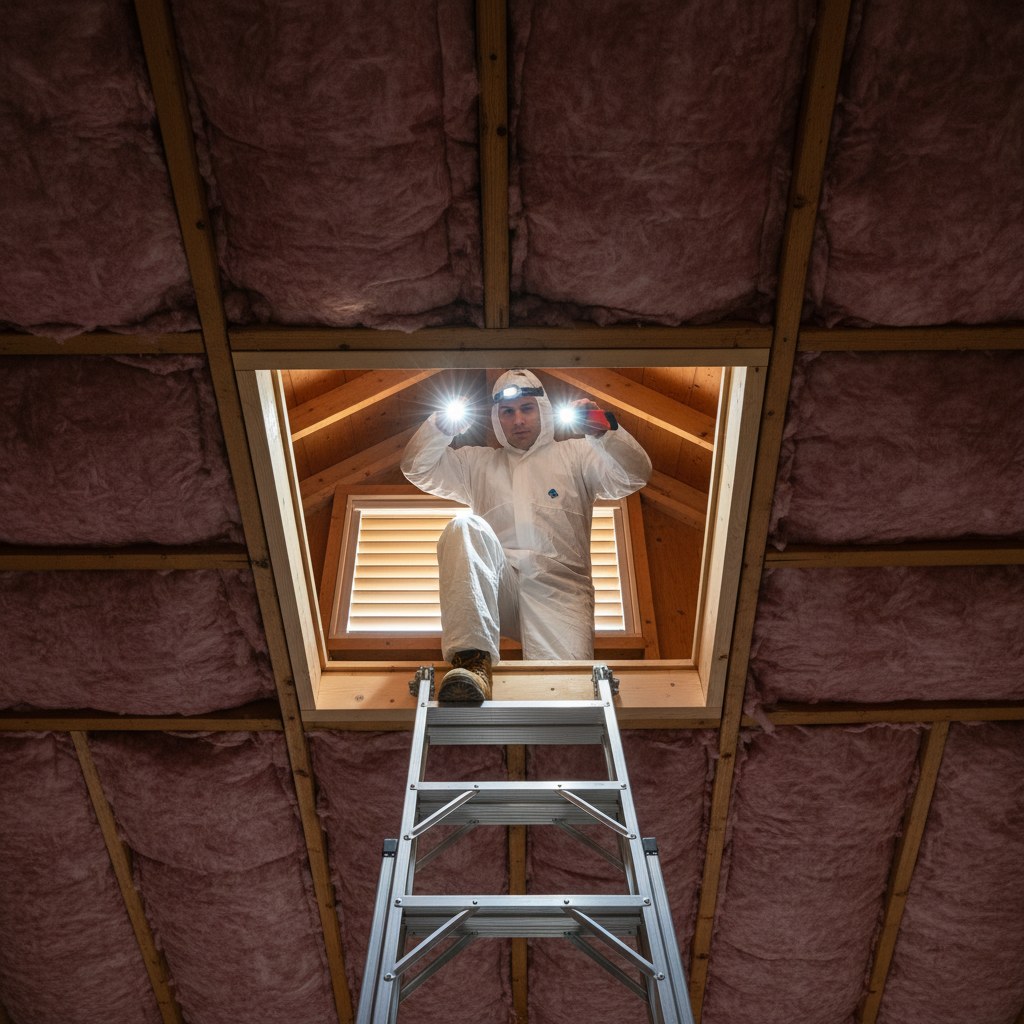
- Tactical Entry Point Audit We perform a forensic walk-around of your Fort Lewis home, zeroing in on the sun-exposed southern walls, attic louvers, and weep holes that act as primary bug entry arteries.
- Exterior Exclusion Perimeter A potent micro-encapsulated repellent is applied under eaves, around window perimeters, and across soffits to establish a lethal barrier that remains effective through Washington's rainy autumn swings.
- Crirical Gap Fortification We flawlessly seal hairline foundation cracks, install weep hole guards, and replace compromised door sweeps to physically lock out the next wave of migrating insects.